Selected Work
Featured Projects
Brand · Strategy · Data
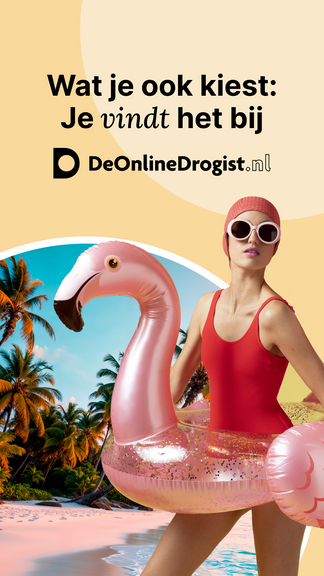
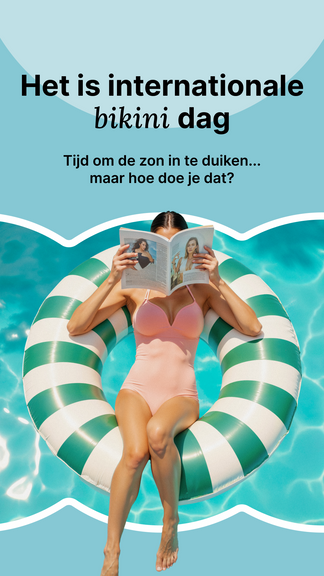
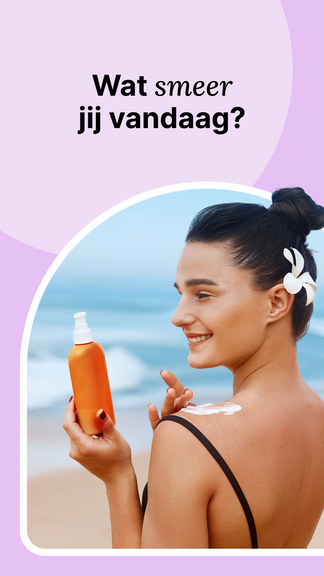
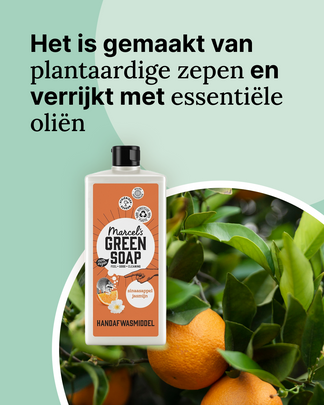
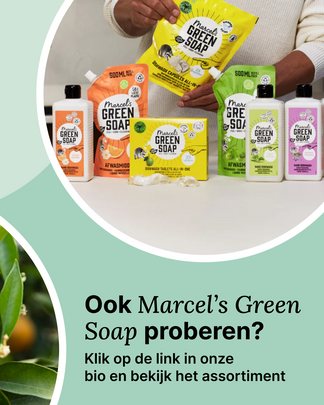
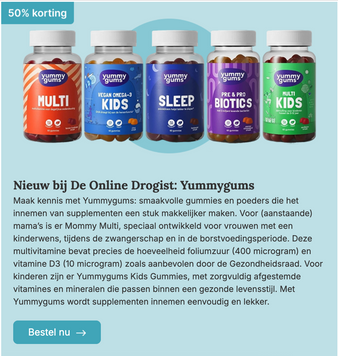
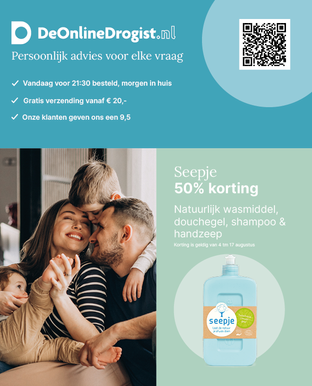
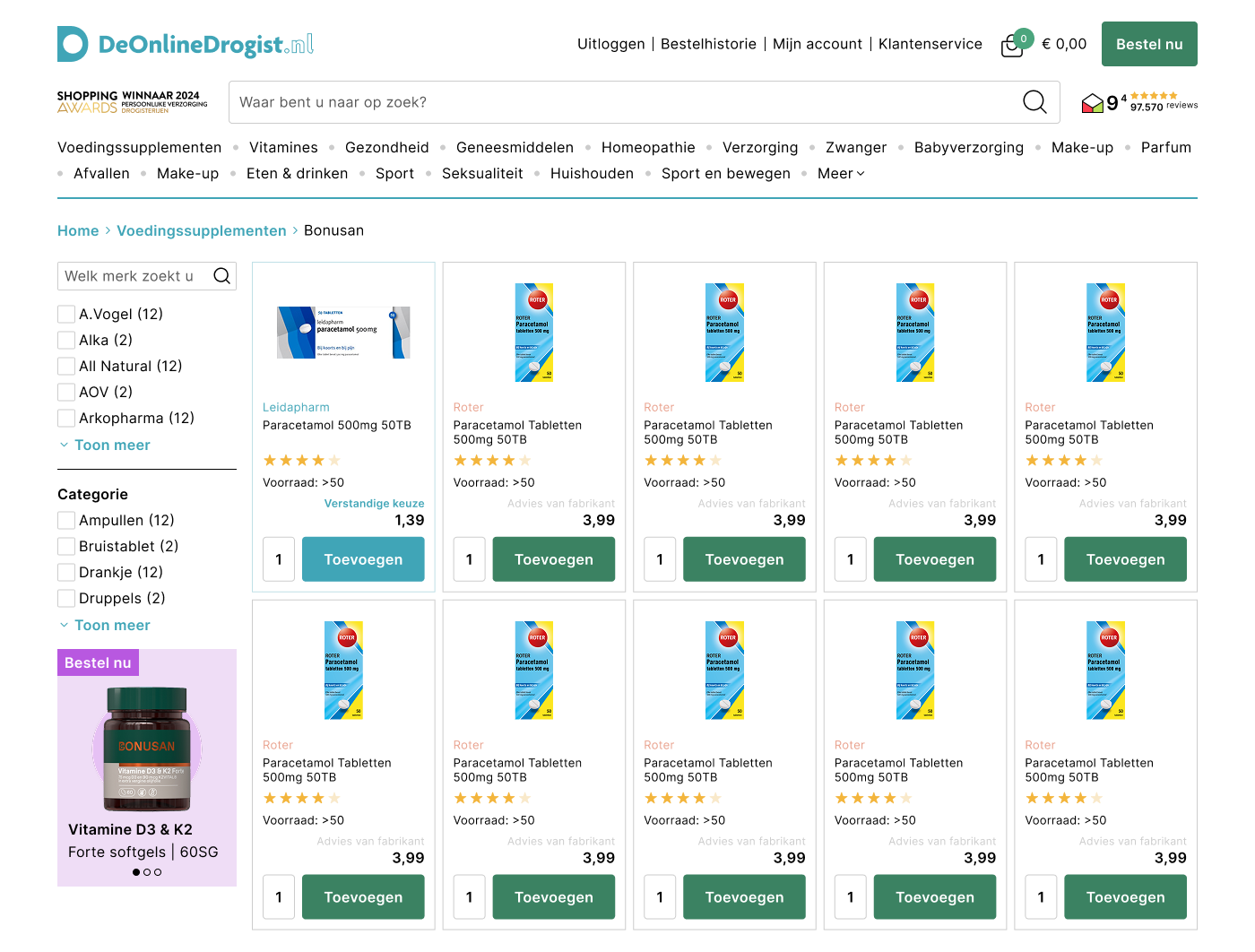
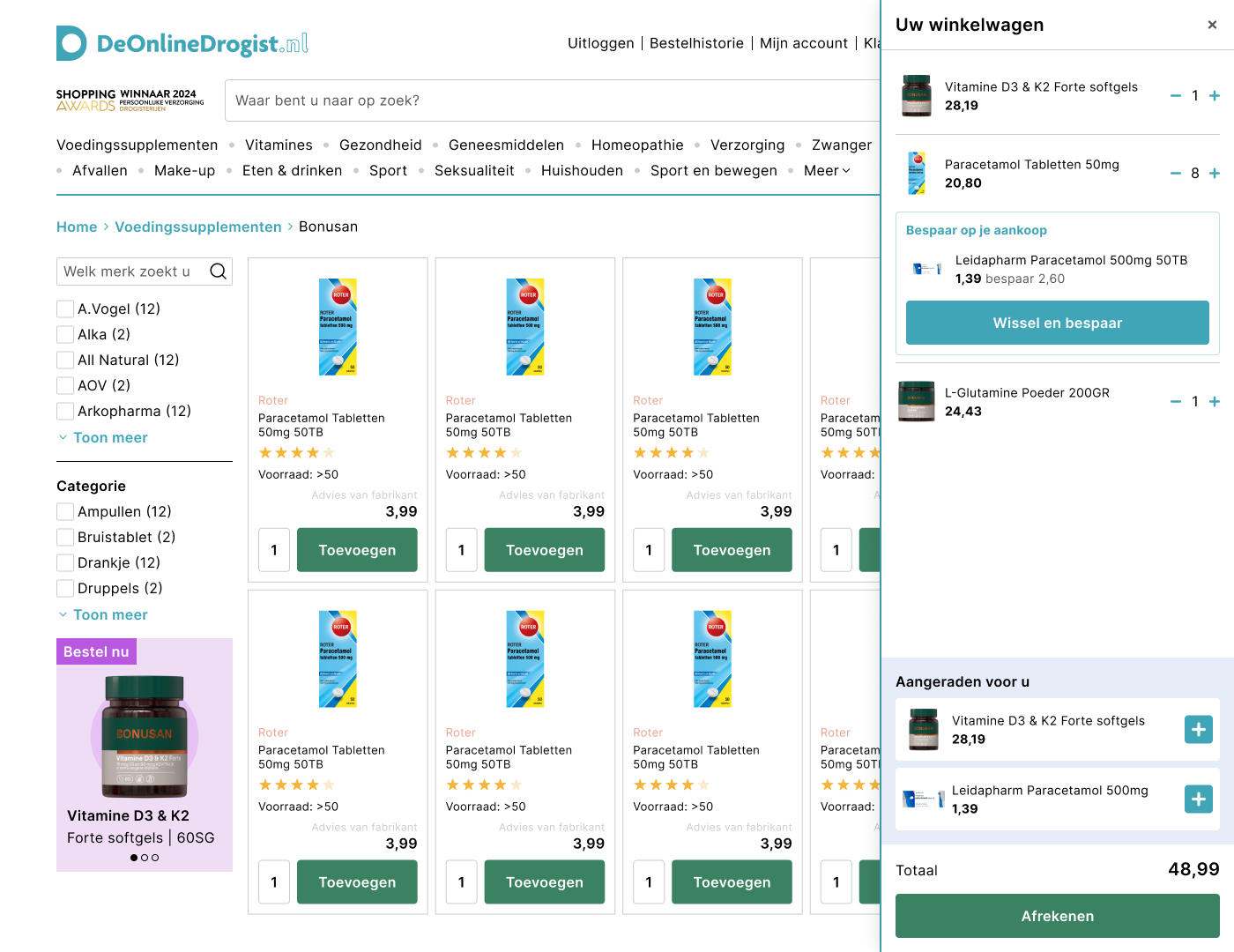
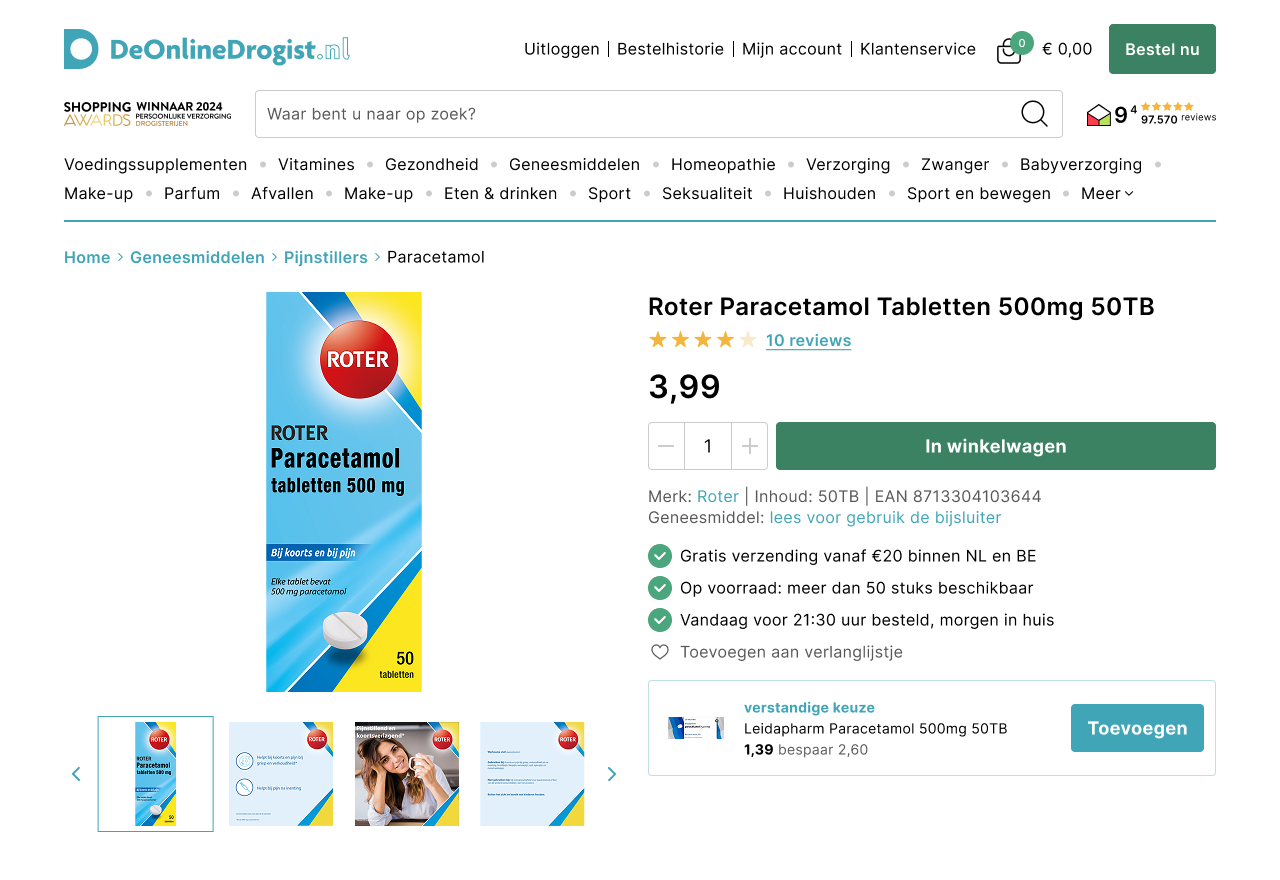
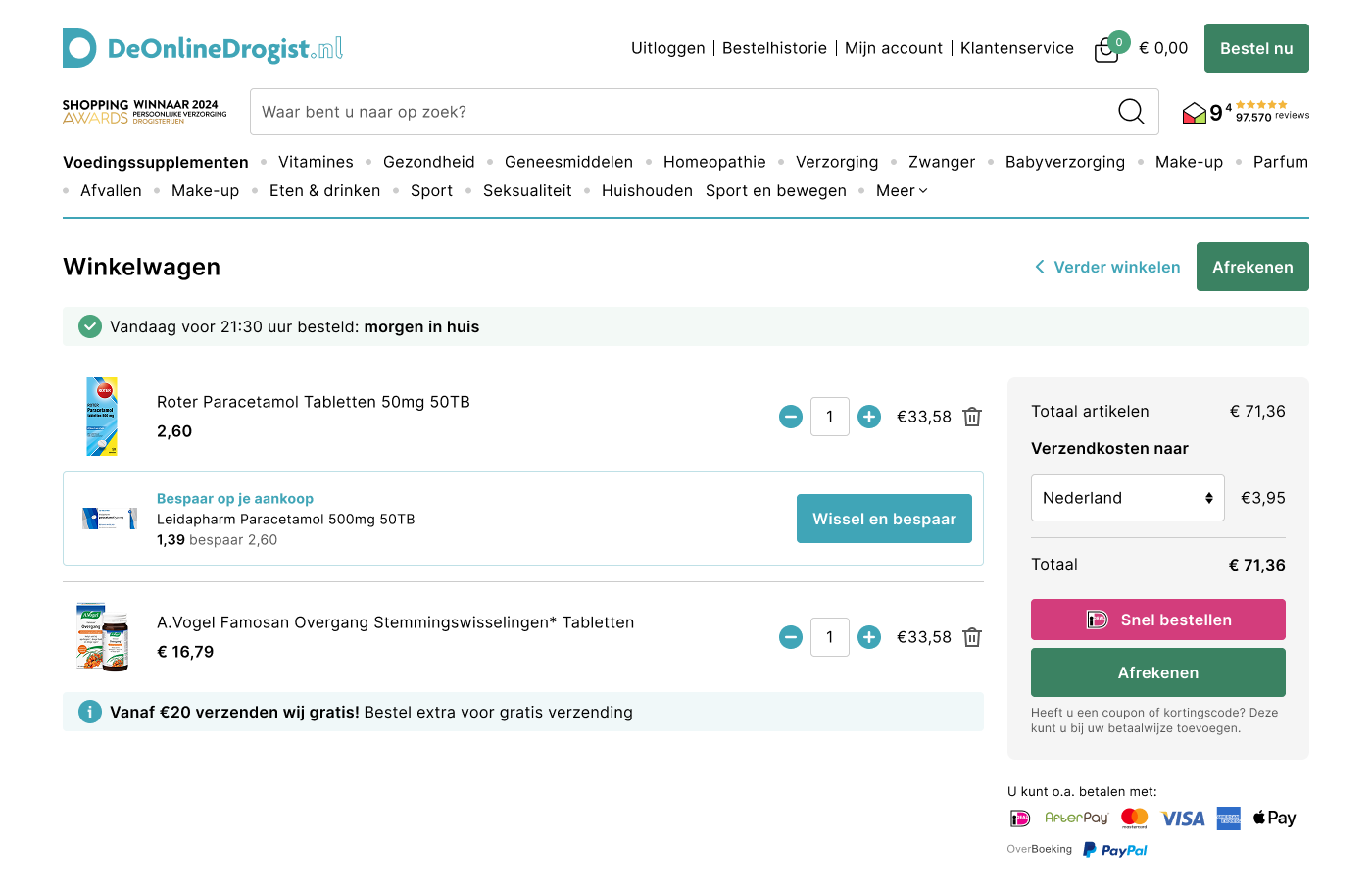
DE ONLINE DROGIST
A data-driven repositioning strategy for the in-house OTC brand — combining GA4 channel analysis, Search Console SEO research, and risk-mapped media planning.
View Project →
Brand · Creative Direction · Entrepreneurship
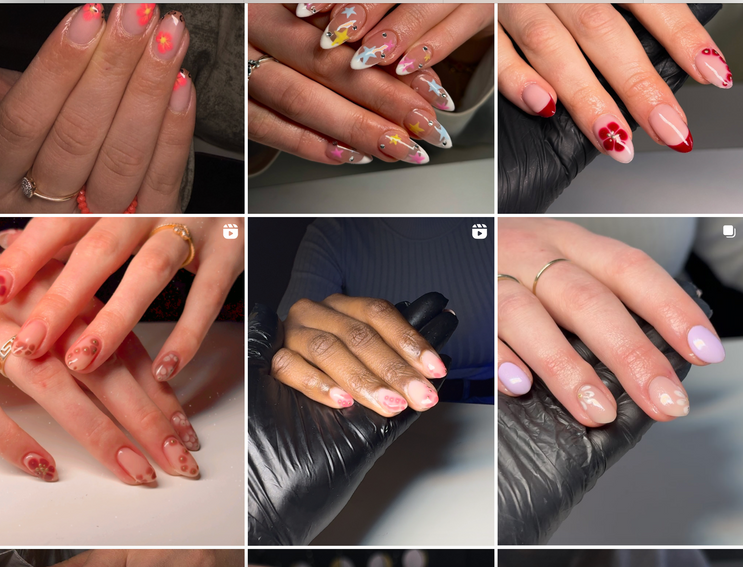
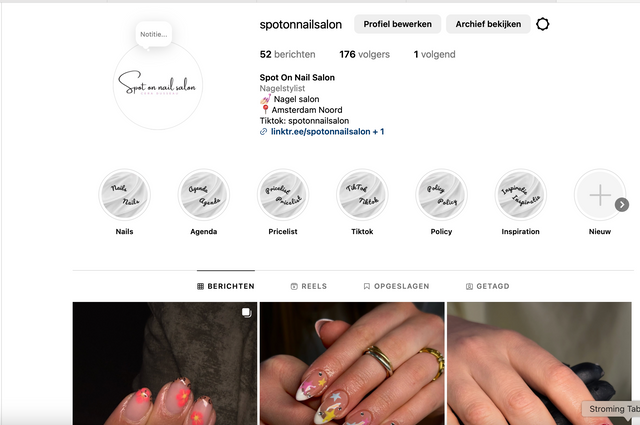
SPOT ON NAIL SALON
Founded and built my own nail salon from the ground up — from brand identity and interior concept to social media, client experience, and day-to-day creative direction.
View Project →

Brand · Product · Marketing
STROMING
Co-founded a sustainable table water bottle brand during an entrepreneurship minor. Led marketing, product design, and website creation.
View Project →
UX Design · Healthcare
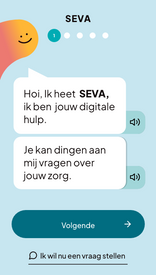
S E V A
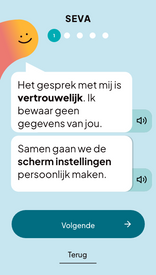
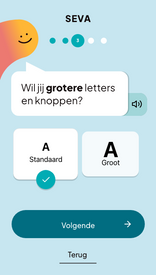
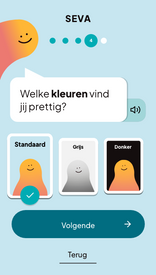
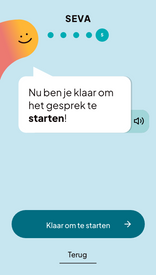
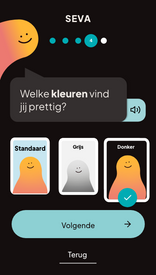
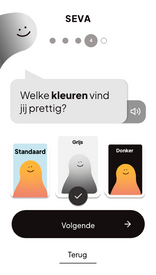
A care app bridging the gap between caregivers and clients with ADHD or autism. Human-centered design at MobileWater.
View Project →
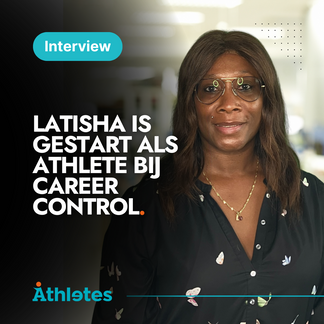
Graduation Project · App Design
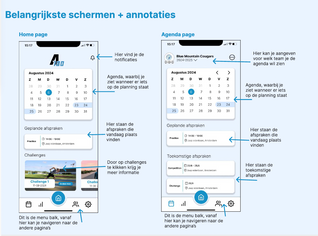
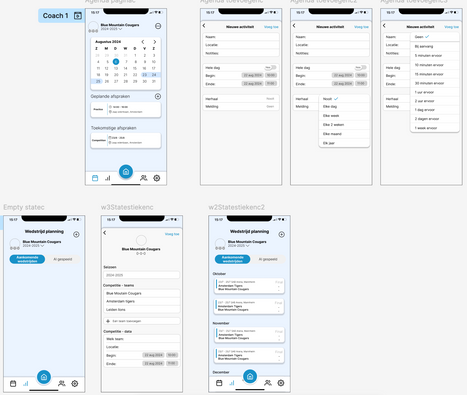
ATHLETE180
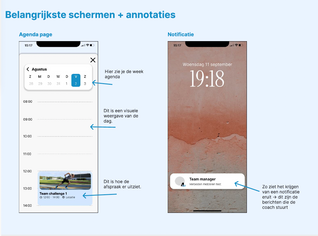
A team communication and management app for ice hockey team Blue Mountain Cougars. Full UX process from research to working prototype — graduated with a 7.5.
View Project →
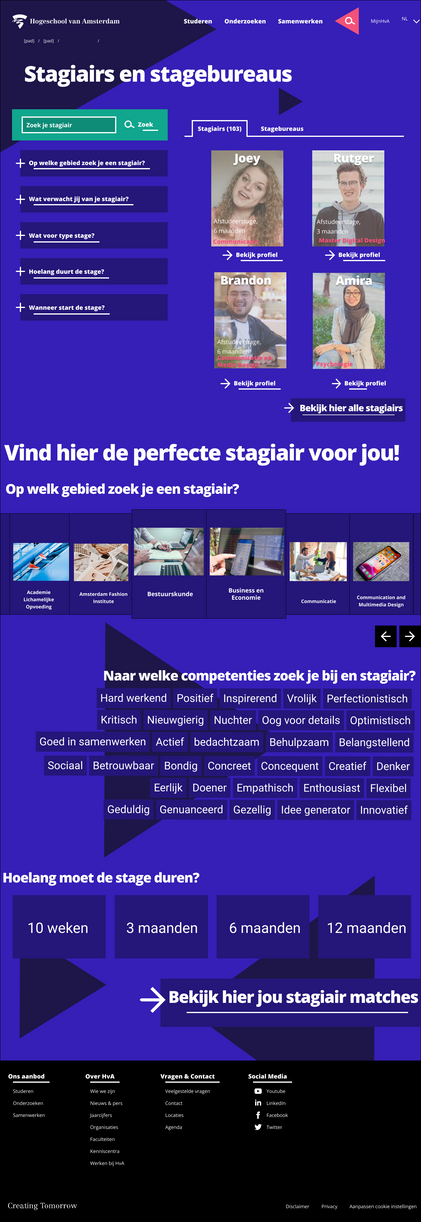
UX Research · Redesign
H v A
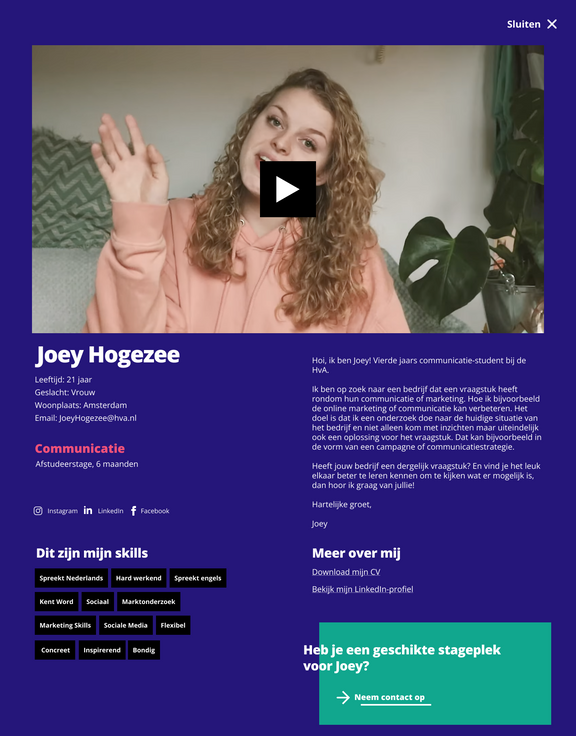
A full website redesign for the Amsterdam University of Applied Sciences — improving usability, accessibility, and information architecture.
View Project →
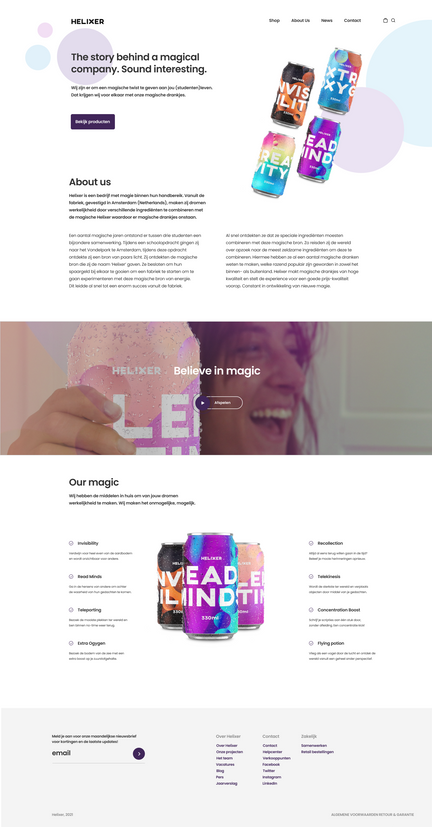
Brand & Web Design
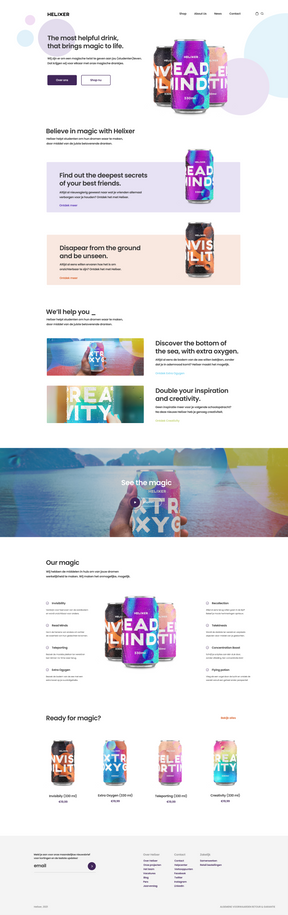
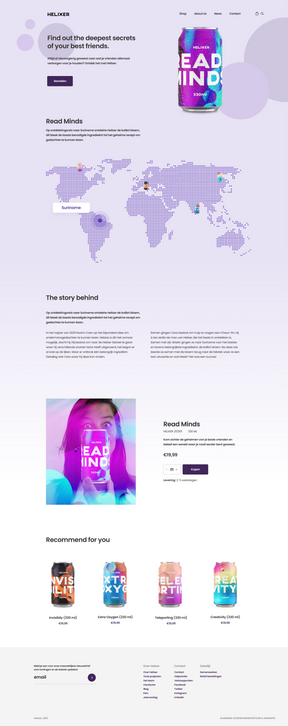
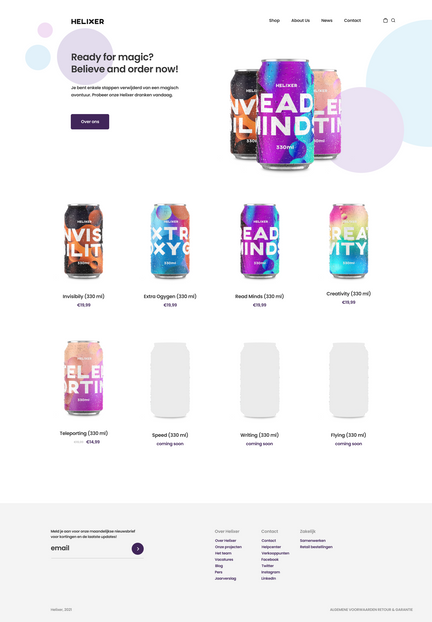
H E L I X E R
A complete website for a fictional innovation-forward company — from concept to visual design, reinforcing brand identity and future-oriented values.
View Project →